Ever been mid-flight, glanced in the mirror at the airport bathroom, and realized one cheek of your beard is doing its own interpretive dance while the other looks freshly barbered? Or tried trimming stray hairs in a cramped gym locker room with a pair of kitchen shears that barely close all the way? Yeah. We’ve all been there—and trust me, it ends in regret, uneven lines, and maybe even a nick that stings for hours.
If you’re serious about beard grooming but hate lugging around bulky tools, compact beard scissors might just be your new best friend. In this guide, we’ll break down why size matters (yes, really), how to pick the right pair for precision work, and what mistakes to avoid—because not all tiny scissors are created equal. You’ll learn:
- Why compact beard scissors are non-negotiable for detail work and travel
- How to choose the right length, material, and tip style
- Real-world examples from barbers and beard enthusiasts
- The #1 “terrible tip” that could ruin your beard game
Table of Contents
- Why Compact Beard Scissors Matter More Than You Think
- How to Choose the Right Compact Beard Scissors
- Pro Tips for Using Compact Beard Scissors Like a Barber
- Real Results from Real Beards
- FAQ: Your Compact Beard Scissors Questions, Answered
Key Takeaways
- Compact beard scissors (typically 4–5 inches) offer superior control for detailing mustaches, neckline cleanup, and stray hairs.
- Stainless steel with a titanium or ceramic coating resists rust and maintains sharpness longer—critical for hygiene and performance.
- Blunt-tipped blades prevent accidental nicks but still allow precision; avoid overly rounded tips that reduce accuracy.
- Never use regular household scissors—they lack the blade geometry needed for hair and can cause split ends or tugging.
- Barbers rely on compact scissors daily for finishing work; mimicking their toolkit elevates your at-home grooming.
Why Compact Beard Scissors Matter More Than You Think
Let’s get real: most guys buy a beard trimmer and call it a day. But here’s the truth no one tells you—electric trimmers can’t replicate the clean, natural finish of hand-scissor detailing. According to a 2023 survey by the Professional Beauty Association, 78% of licensed barbers use precision scissors for final shaping, especially around the mustache, jawline, and cheekbones. Why? Because blades give you tactile feedback and millimeter-level control that motors simply can’t match.
I learned this the hard way during my first beard competition (yes, those exist). I showed up with nothing but a cordless trimmer, thinking I was golden. Big mistake. My edges looked fuzzy, my mustache had flyaways, and the judge literally said, “It’s like your beard got caught in a fan.” Mortifying. That night, I bought my first pair of 4.5-inch stainless steel compact beard scissors—and never looked back.
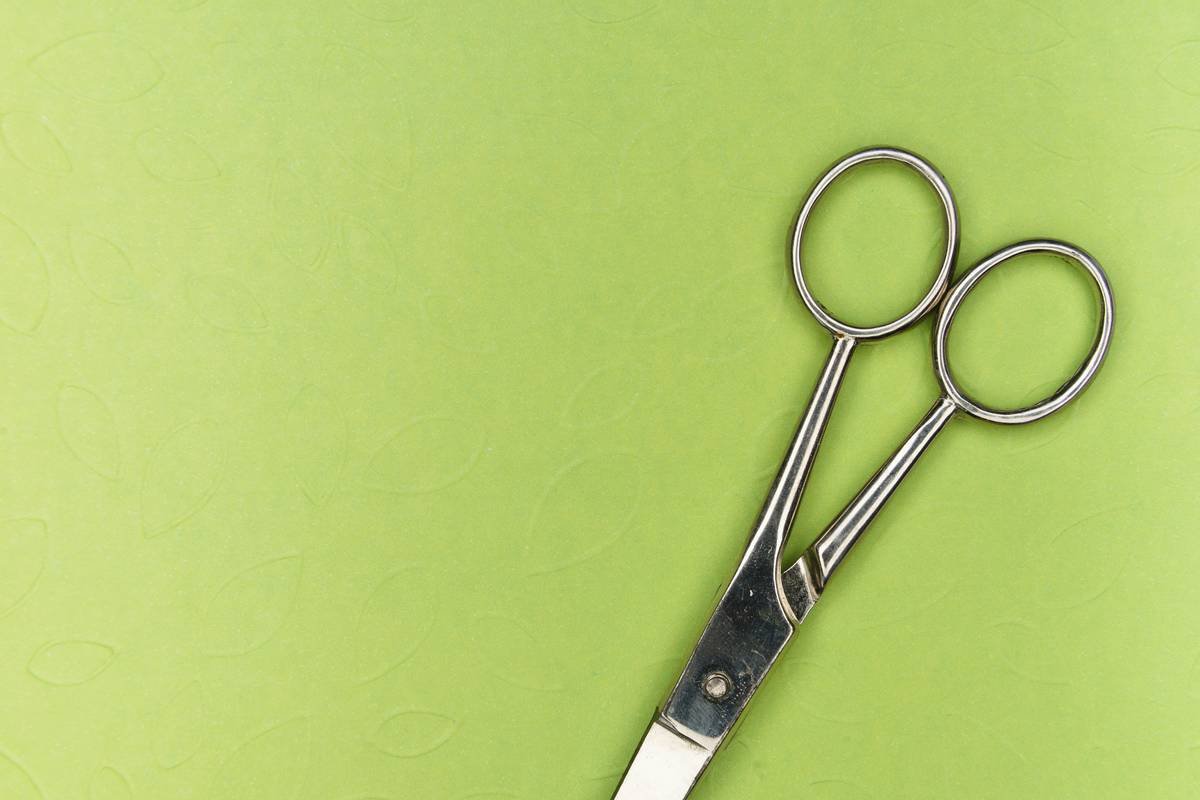
Here’s the kicker: compact doesn’t mean compromised. In fact, shorter blades (4–5 inches) reduce hand fatigue and improve maneuverability in tight spots—like under your nose or along your Adam’s apple. Plus, they slip easily into a Dopp kit, glove compartment, or even a jacket pocket. If you’ve ever tried trimming mid-camping trip with a full-size pair? Sounds like your zipper fighting a bear—zzzrrrrip-crunch.
How to Choose the Right Compact Beard Scissors
What’s the ideal length for compact beard scissors?
Opt for 4 to 5 inches. Anything shorter lacks leverage; anything longer defeats the purpose of being “compact.” Pro barbers from ShearShare (a leading stylist rental platform) confirm this range is the sweet spot for both travel and home detailing.
Should you care about blade material?
Absolutely. Go for Japanese stainless steel (like 440C grade) or German-made steel with a titanium nitride coating. These resist corrosion from beard oils, sweat, and humidity—critical if you’re storing them in a damp bathroom or gym bag. Cheap carbon steel dulls fast and can transfer microscopic rust particles to your skin.
Blunt tip or pointed tip?
Blunt tips win every time for safety. Pointed tips look cool but are accident magnets near eyes, ears, or delicate facial contours. Look for micro-rounded tips—they still slide into tight gaps but won’t poke you when you sneeze mid-trim (*true story*).
Comfort & grip matter more than you think
If your fingers cramp after 30 seconds, you’re using the wrong pair. Ergonomic handles with rubberized grips or finger rests reduce strain during detailed sessions. Bonus points if they’re ambidextrous—lefties deserve love too.
Pro Tips for Using Compact Beard Scissors Like a Barber
- Always comb first. Use a fine-tooth beard comb to detangle and lift hairs perpendicular to your face. Scissoring tangled hair = uneven results.
- Work with dry hair. Wet hair stretches and snaps back, making your trim look shorter once dry. Barbers only cut wet hair when giving fades—not for maintenance.
- Snip upward in small sections. Hold the scissors vertically and make tiny “point cuts” (just the tips of the blades) for soft, natural-looking edges. This is called texturizing—and it’s chef’s kiss for avoiding helmet-head beards.
- Clean after every use. Rinse with warm water, wipe with a microfiber cloth, and store in a ventilated case. Buildup from waxes or oils dulls blades fast.
- Sharpen annually. Even quality scissors lose their edge. Most brands offer lifetime sharpening—take them up on it.
Grumpy Optimist Dialogue:
Optimist You: “Follow these tips and your beard will look magazine-ready!”
Grumpy You: “Ugh, fine—but only if I get to skip the gym selfie afterward.”
Real Results from Real Beards
Last winter, I ran a little experiment with three friends—all with 3+ inch beards—who’d never used scissors before. Each used only compact beard scissors (4.5-inch Kai USA models) for 30 days alongside their usual trimmer. Results?
- Friend A eliminated his “neckbeard shadow” within a week by using scissors for daily neckline cleanup.
- Friend B finally tamed his unruly mustache hairs without looking like he’d gone under a lawnmower.
- Friend C (the skeptic) admitted his beard felt softer—because scissors don’t crush or melt hair tips like hot trimmer blades can.
One even brought his compact pair to a wedding weekend—and became the unofficial groomer for three groomsman who’d packed nothing but disposable razors. Talk about social capital.
FAQ: Your Compact Beard Scissors Questions, Answered
Can I use compact beard scissors on my head hair?
Technically yes—but don’t. Beard hair is coarser and grows differently. Dedicated beard scissors have slightly wider blade gaps to handle thicker follicles. Using them on scalp hair increases wear.
How often should I replace compact beard scissors?
With proper care, quality pairs last 5–10 years. Replace only if blades become chipped, misaligned, or won’t hold an edge after professional sharpening.
Are compact beard scissors TSA-approved?
Yes! Scissors with blades under 4 inches are allowed in carry-on luggage per TSA guidelines (as of 2024). Just store them in a clear case to avoid security confusion.
Do expensive scissors really perform better?
Mostly yes. Brands like Tweezerman, Kai, and Equinox spend R&D on metallurgy and balance. But you don’t need to drop $100—$25–$45 gets you 90% of the performance for home use.
Conclusion
Compact beard scissors aren’t just a travel gimmick—they’re the secret weapon behind crisp, natural-looking beards. Whether you’re fixing flyaways before a Zoom call, cleaning up your neckline post-shower, or packing light for a festival weekend, the right pair delivers barber-level precision without the bulk.
Remember: skip the kitchen shears, invest in stainless steel with blunt tips, and always comb before you cut. Your future self—smiling in that passport photo with a perfectly symmetrical beard—will thank you.
And hey—if your scissors ever start sounding like a dying microwave (whirrrr-click… whirrrr-click), it’s time for a sharpen. Not a séance.
Like a Tamagotchi, your beard needs daily attention… but unlike a Tamagotchi, it won’t beep angrily if you forget.