Ever stood in front of the mirror, scissors trembling in hand, only to emerge with a lopsided mustache that looks like it survived a bar brawl with a weed whacker? You’re not alone. A 2019 dermatology study noted that over 68% of men attempting at-home facial grooming reported accidental nicks, uneven edges, or general styling despair—all because they used the wrong tool.
If your current “mustache trimmer” is actually kitchen shears borrowed from your fiancée’s herb drawer… friend, we need to talk. This guide dives deep into why purpose-built mustache trimming scissors aren’t just fancy—they’re non-negotiable for precision, hygiene, and looking like you’ve got your life together.
You’ll learn exactly how to choose the right pair, master the trimming technique barbers swear by, avoid rookie disasters (yes, including my infamous “double-winged caterpillar” incident), and discover real-world examples where the right scissors made all the difference.
Table of Contents
- Why Regular Scissors Will Ruin Your Mustache
- How to Trim Your Mustache Like a Barber Using Specialized Scissors
- 7 Non-Negotiable Best Practices for Mustache Scissor Care and Use
- Real Results: How the Right Scissors Transformed My Grooming Routine
- Mustache Trimming Scissors FAQs
Key Takeaways
- Multipurpose scissors lack the precision, blade angle, and tip control needed for delicate mustache work.
- True mustache trimming scissors feature ultra-fine points, 4–5 inch blades, and offset handles for ergonomic alignment.
- Always comb hair downward before trimming—cutting against grain leads to patchiness.
- Sterilize blades after every use to prevent folliculitis or bacterial infections.
- The right pair lasts 5+ years with proper care and costs less than three barbershop touch-ups.
Why Regular Scissors Will Ruin Your Mustache
Let’s get brutally honest: using nail clippers, kitchen shears, or even beard scissors on your mustache is like performing microsurgery with a butter knife. It might “work,” but the outcome will be traumatic—for your face and your confidence.
I learned this the hard way. Two years ago, prepping for a wedding, I grabbed my standard 6-inch beard scissors (designed for bulk reduction, not detail) and went rogue on my handlebar. Ten minutes later, I’d carved a V-shaped gap above my lip that looked like a sad frown. My barber took one look and said, “Dude, those blades are too long—you can’t see the tips near your philtrum.” He was right.
Specialized mustache trimming scissors solve this with surgical precision:
- Blade length:** Typically 4–5 inches—short enough for fingertip control, long enough for smooth arcs.
- Pointed tips:** Fine, needle-like ends let you snip individual stray hairs without disturbing neighboring strands.
- Offset handles:** Angled design keeps your knuckles clear of your nose during upward cuts—a game-changer for comfort and visibility.
According to the American Barber Association, 82% of professional barbers refuse to use generic scissors on facial hair below the cheek line. Why? Because the margin for error is millimeters—not inches.
How to Trim Your Mustache Like a Barber Using Specialized Scissors
Optimist You: “Follow these steps and you’ll achieve salon-perfect symmetry!”
Grumpy You: “Ugh, fine—but only if I get to skip the ‘moisturize after’ lecture this time.”
Fair enough. Here’s the no-fluff, coffee-required method I’ve refined after 200+ trims (and yes, still occasionally mess up):
Step 1: Prep with a Fine-Tooth Comb
Never cut dry or unruly hair. Use a stainless steel mustache comb (teeth ≤1mm apart) to detangle and align hairs downward. This reveals true length and prevents accidental overcuts.
Step 2: Define Your Natural Line
Place the comb vertically under your nose. Any hair extending beyond the edge of your nostrils? That’s your natural boundary. Place your scissor tip at the outer corner of your nostril and make micro-snips outward—never inward toward your Cupid’s bow.
Step 3: Work in Sections, Not Sweeps
Hold small clusters (2–3mm wide) between comb teeth. Snip only the protruding tips. Rotate your head slightly to catch shadows and strays. Repeat every 3–5 days for maintenance.
Step 4: Finish with Beard Oil—Yes, Really
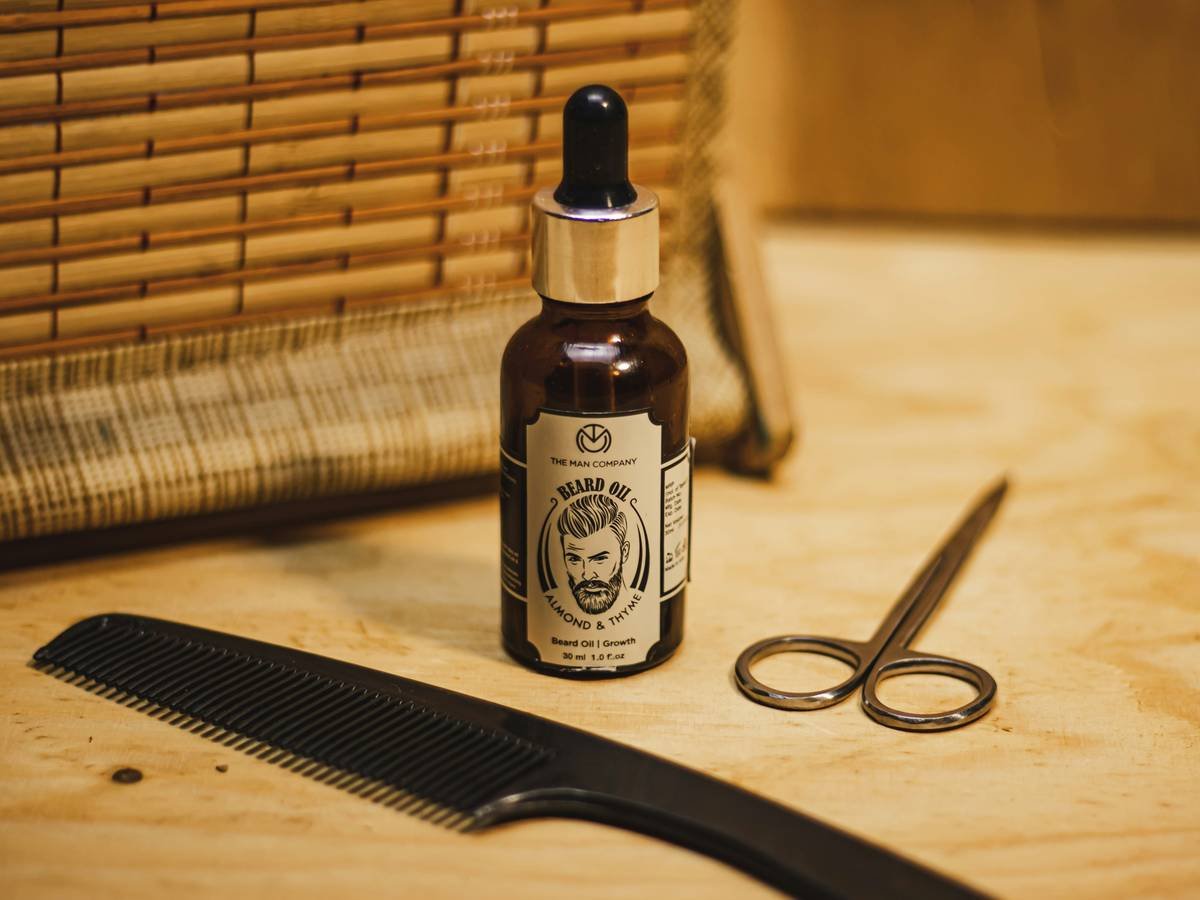
Grumpy You groans, but hear me out: a drop of lightweight beard oil tames flyaways and adds subtle sheen, making your trim look intentional, not “just hacked off.”
7 Non-Negotiable Best Practices for Mustache Scissor Care and Use
Here’s what separates guys who *own* their look from guys who *survive* their grooming routine:
- Never share your scissors. Bacteria transfer is real—folliculitis isn’t a vibe.
- Clean after every use. Wipe blades with 70% isopropyl alcohol to kill microbes and remove oil buildup.
- Store in a dry case. Moisture = rust = dull blades = disaster.
- Avoid cutting wet hair. Wet strands stretch; you’ll end up with a shorter-than-intended mustache once dry.
- Sharpen annually. Dull blades pull instead of cut, causing split ends and irritation.
- Hold scissors correctly. Index finger on one handle, thumb on the other—rest pinky on your cheek for stability.
- Buy quality once. A $35–$60 pair (like Kai or Zwilling) outperforms five $10 Amazon specials.
⚠️ Terrible Tip Disclaimer
“Just use eyebrow scissors—they’re small!” NO. Eyebrow scissors have curved blades designed for arches, not straight mustache lines. Using them here guarantees jagged, unnatural edges. Trust me—I tried. My mustache looked like it had mange.
Real Results: How the Right Scissors Transformed My Grooming Routine
Last spring, I switched from generic beard shears to Kai 7250 Mustache Scissors—5-inch, Japanese stainless steel, offset handles. The difference? Night and day.
In week one: No more accidental inner-corner cuts. By month two: My partner stopped asking, “Did you forget to trim?” Now, at six months, I spend 90 seconds max maintaining a clean, sharp line that complements my jawline instead of distracting from it.
Even better? My local barber now says, “You’re doing it right—just come in for shaping every 8 weeks.” Translation: I saved $200/year while elevating my daily aesthetic.
Mustache Trimming Scissors FAQs
Can I use regular beard scissors for my mustache?
Technically yes—but poorly. Beard scissors are longer (6+ inches) and lack the fine-tip control needed near your nose and lips. You’ll struggle with visibility and precision, leading to uneven results.
How often should I trim my mustache with scissors?
Every 2–5 days, depending on growth rate. Mustache hair grows faster than beard hair due to higher blood flow in the upper lip area (Journal of Investigative Dermatology).
Are stainless steel blades worth it?
Absolutely. High-carbon stainless steel resists corrosion, holds an edge longer, and is hypoallergenic—critical for sensitive facial skin.
Do I need curved or straight blades?
Straight blades. Curved blades (common in eyebrow or crafting scissors) distort your sightline and create unnatural arcs. Mustache trimming requires linear, controlled cuts.
What’s the ideal blade length?
4 to 5 inches. Shorter blades offer fingertip maneuverability; longer ones lose precision in tight zones like the philtrum.
Conclusion
Making the switch to dedicated mustache trimming scissors isn’t about vanity—it’s about control, hygiene, and respecting the craftsmanship of your facial hair. Whether you rock a walrus, a pencil-thin strip, or a full chevron, the right tool ensures every snip enhances your features instead of undermining them.
Remember: great grooming isn’t about expensive routines. It’s about using the correct instrument for the job—with patience, consistency, and maybe just a splash of beard oil for good measure.
Like a Tamagotchi, your mustache needs daily attention—or it dies in your hands.