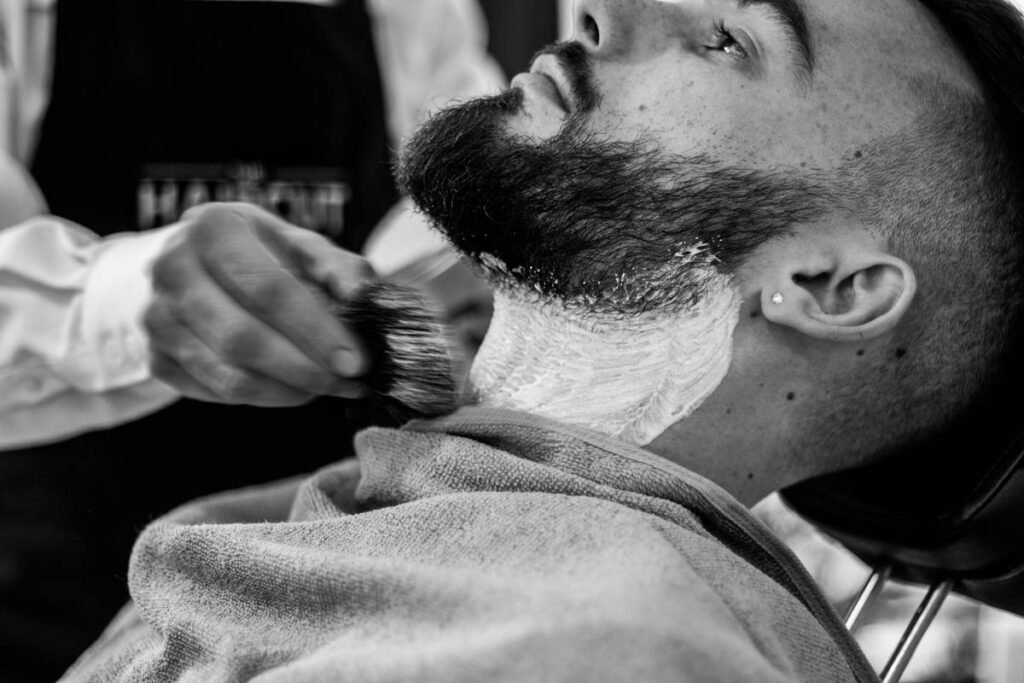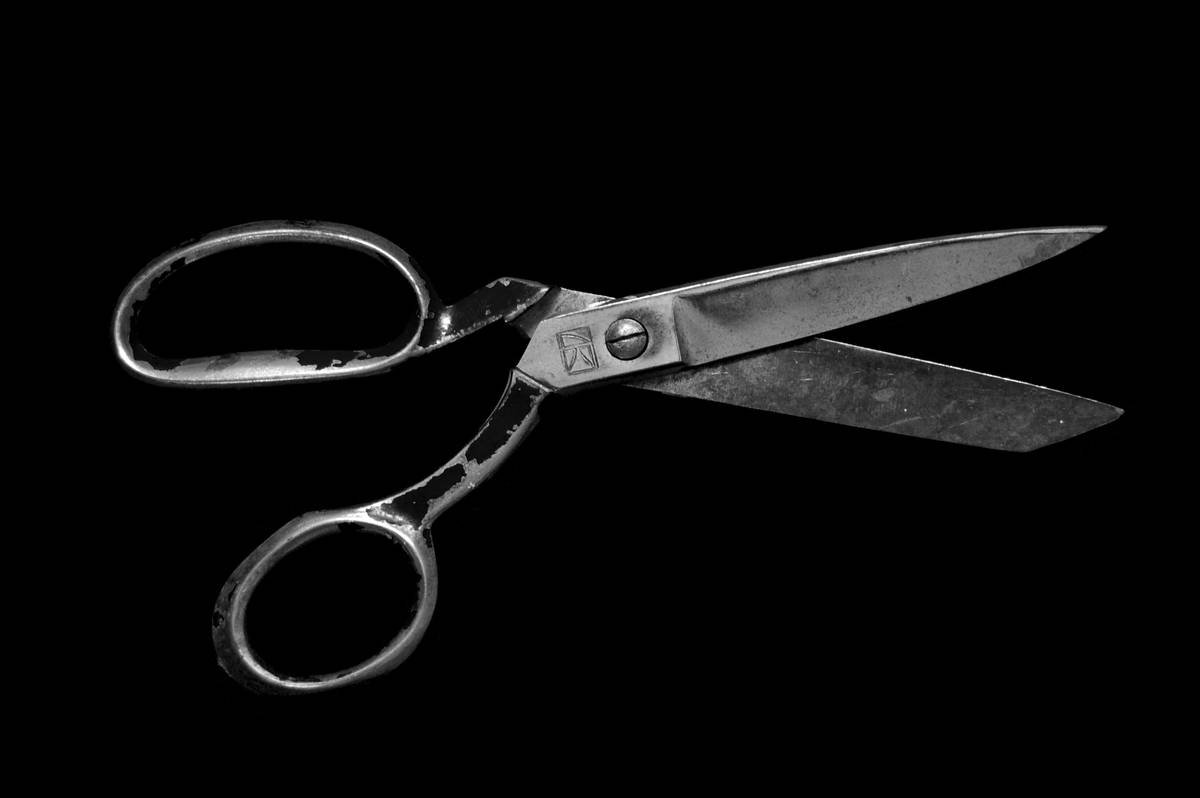
You spend hours shaping your beard—only to end up with uneven edges and stray hairs that scream “DIY disaster.” It’s frustrating. And the culprit? Blunt, oversized, or ill-suited tools masquerading as precision instruments. The fix isn’t another app or a $200 trimmer. It’s detailed beard trimming scissors—the unsung hero of sharp, intentional grooming.
Why Most Guys Botch Beard Trimming (It’s Not Their Fault)
Barbershops use surgical-grade scissors. At home? You’re likely wielding kitchen shears repurposed from coupon mailers—or worse, those flimsy “mustache scissors” that bend at the first snip. Standard electric trimmers can’t handle fine detailing near the jawline or mustache without yanking hairs. They blur lines instead of defining them.
And here’s what no one admits: even high-end trimmers leave behind micro-strays that ruin symmetry. You need control—blade-to-hair control—that only true detailed beard trimming scissors deliver.
How to Master Beard Shaping with Precision Scissors
Forget guesswork. This is about geometry, not gadgets.
Step 1: Prep Like a Pro
Wash and dry your beard thoroughly. Damp hair stretches; dry hair shows true length. Use a wide-tooth comb to detangle—never skip this. Stray knots lead to accidental overcuts.
Step 2: Define Your Lines First
Start with the neckline. Place two fingers above your Adam’s apple—that’s your natural boundary. Use your scissors to snip stray growth below that line. Work upward in tiny increments. Less is more.
Step 3: Detail the Mustache and Cheek Line
This is where most fail. Hold the scissors vertically—not horizontally—and make micro-cuts parallel to your lip line. For cheek definition, angle the blades slightly inward to carve a soft taper, not a harsh edge. Natural > artificial.
| Tool Type | Precision Level | Best For | Cost Range |
|---|---|---|---|
| Detailed Beard Trimming Scissors | ★★★★★ | Jawline definition, mustache shaping, stray removal | $25–$80 |
| Electric Trimmer (with guard) | ★★☆☆☆ | General bulk reduction, full-beard maintenance | $30–$150 |
| Comb-Over Clippers | ★☆☆☆☆ | Neck cleanup (risky near face) | $20–$60 |
| Kitchen Shears / Generic Scissors | ☆☆☆☆☆ | Avoid entirely | $0–$10 |

The Barber Secret Nobody Tells You
Great barbers don’t rely on clippers for final shaping—they use detailed beard trimming scissors for 80% of their finishing work. Why? Because vibration from trimmers causes micro-movements that blur clean lines. Scissors give silent, tactile feedback. You feel every cut.
Here’s the industry hack: hold the scissors still and move your head—not the other way around. Stabilize your wrist against your cheekbone. Suddenly, your hand becomes an extension of your vision. That’s how you get razor-sharp contours without a single nick.
Frequently Asked Questions
What blade length is ideal for detailed beard trimming scissors?
5.0 to 6.0 inches. Shorter blades offer better control for tight areas like the mustache; longer ones fatigue your hand during prolonged use.
Can I use regular hair scissors for my beard?
No. Hair scissors have wider blades and blunt tips. Beard scissors are sharper, thinner, and often feature curved tips to navigate facial contours safely.
How often should I replace my beard scissors?
Every 2–3 years if used weekly. Dull blades tug instead of cut—leading to split ends and uneven texture. Sharpening helps, but steel degrades over time.