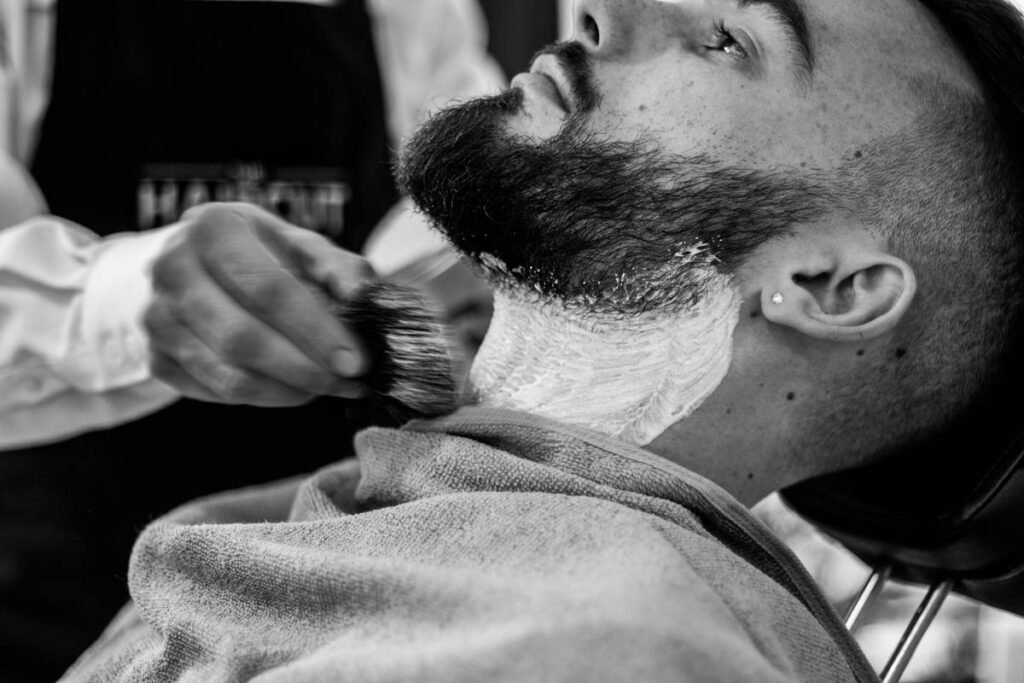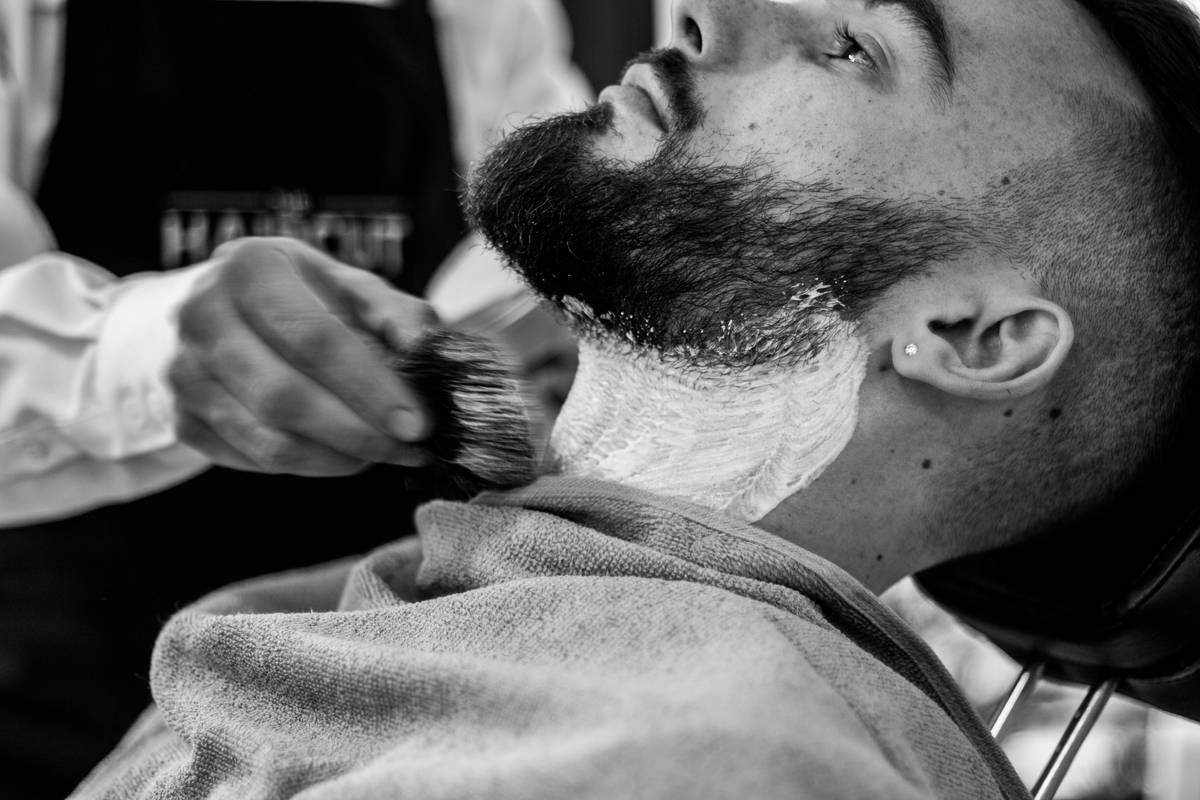
Your beard looks uneven. You’ve tried clippers—they leave blunt, boxy lines. Trimmers? They fuzz out the edges instead of defining them. And regular scissors? They slip, tug, and butcher your hard-grown facial hair. The result? A patchy, amateurish silhouette that screams “I gave up halfway.” Here’s the fix: beard contour scissors. Not just any scissors—surgical-grade, angled blades built for sculpting shadows, not chopping hedges.
Why Your Current Grooming Routine Fails at Definition
Most men treat beard shaping like lawn mowing—uniform height, zero dimension. Clippers are fantastic for bulk reduction, but they lack nuance. They can’t taper the transition from sideburn to jawline or soften the curve under your lip. Worse, using kitchen or nail scissors introduces jagged cuts because their blades aren’t designed for coarse, directional hair growth.
And here’s what no brand tells you: even high-end trimmers create micro-frizz along the perimeter. That halo of stray hairs? It kills sharpness. Without clean, deliberate snips along the natural contour of your face, you’ll never achieve that magazine-cover definition.
How to Master Beard Contour Scissors Like a Pro Barber
Forget guesswork. Precision trimming is a method—not a mood. Follow this sequence religiously.
Dry Hair Only—Never Wet
Cut dry. Water stretches hair temporarily, leading to over-trimming once it dries. Your true length reveals itself only when bone-dry. Towel off thoroughly. Wait 10 minutes post-shower.
Map Your Natural Jawline First
Don’t impose symmetry. Trace your actual bone structure with a brow pencil or white eyeliner pencil. Connect the dots below your chin, across your Adam’s apple, up to your earlobes. This ghost line is your truth—not Instagram filters.
Use Point-Cutting, Not Shearing
Open the blades slightly. Insert just the tips into sparse areas. Snip vertically downward in tiny increments. Think feathering, not chopping. This removes bulk while preserving texture. Heavy-handed shearing flattens dimension instantly.
The Golden Rule: Less Is More (Seriously)
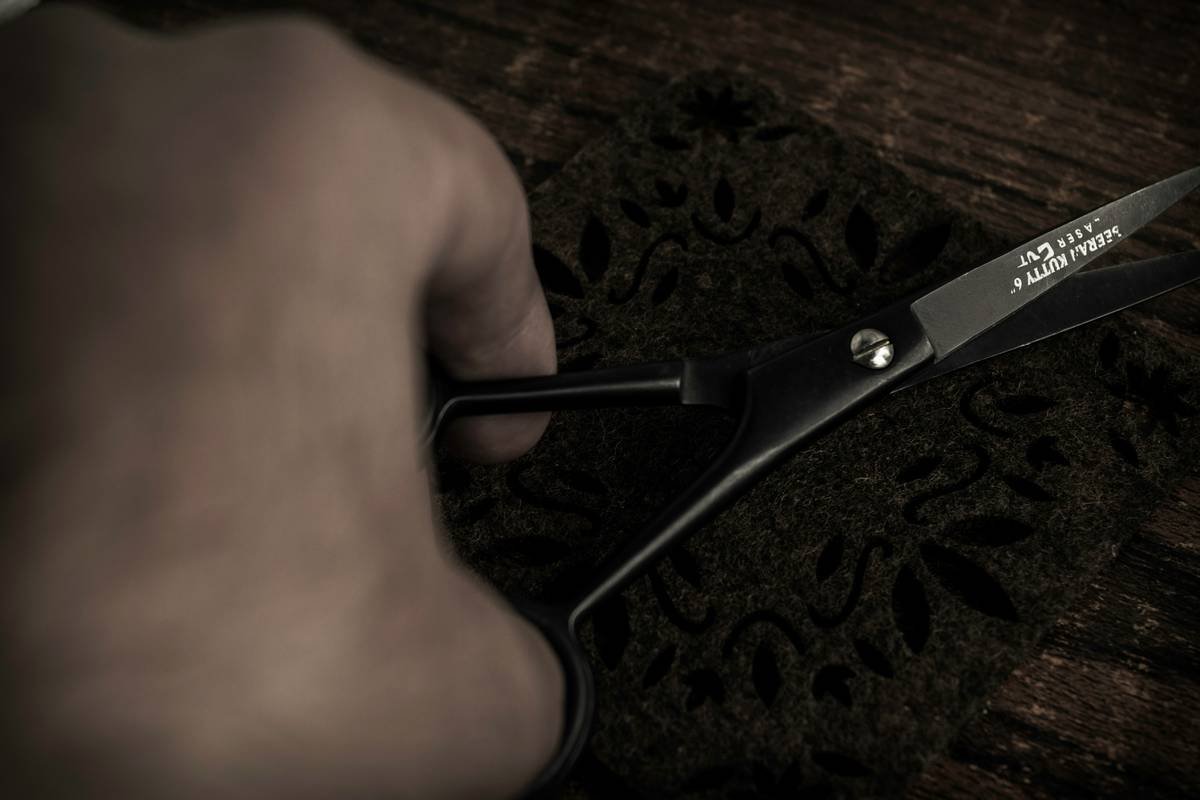
One snip. Step back. Assess. Repeat. Rushing guarantees regret. If you’re unsure, leave it. Growth fills gaps faster than regrowth hides nicks.
| Method | Precision Level | Risk of Damage | Best For |
|---|---|---|---|
| Standard Clippers | Low | Medium (blunt edges) | Initial bulk removal |
| Detail Trimmers | Medium | Low | Neckline cleanup |
| Beard Contour Scissors | High | Very Low (if used dry + correctly) | Jawline sculpting, mustache detailing, softening cheek lines |
The Industry Secret: Barbers Hide These Scissors On Purpose
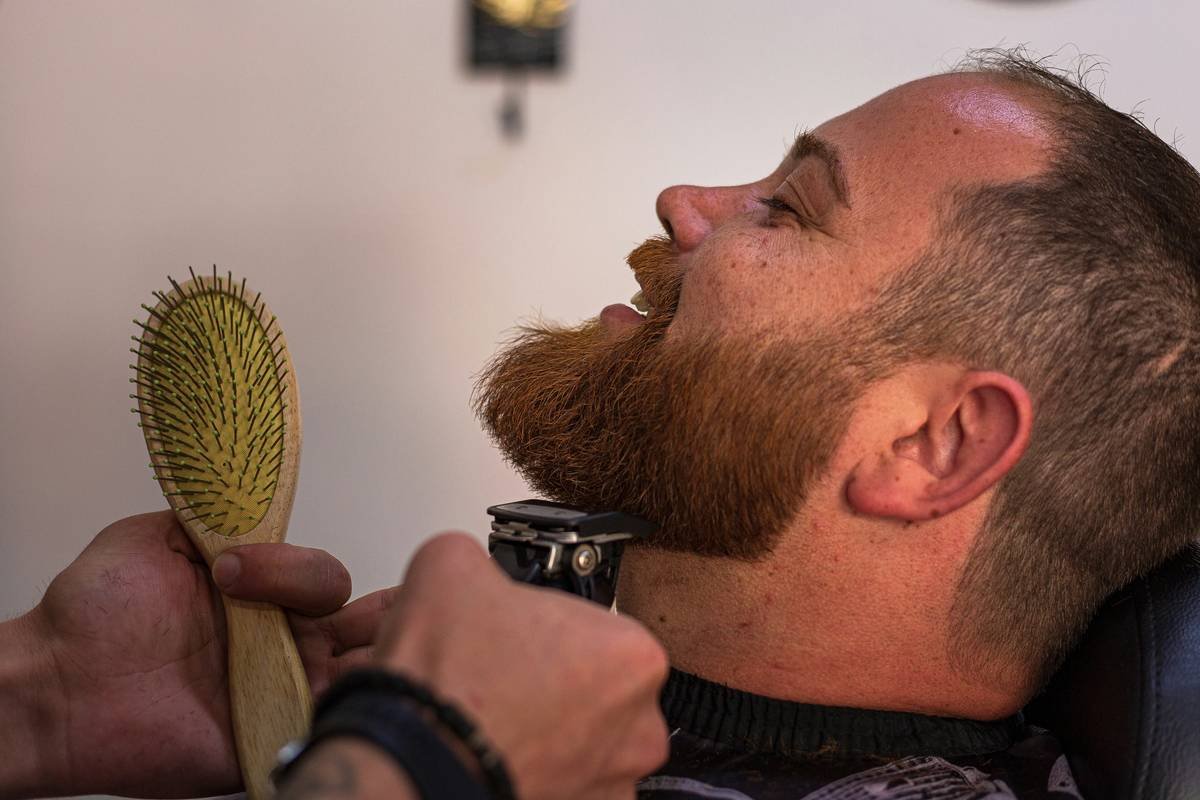
Here’s the reality: salons mark up contour scissors by 300%. Why? Because once clients see the difference, they stop booking weekly trims. A $45 tool replaces $20/month appointments. But there’s a catch—not all “beard scissors” qualify. Real contour models have offset handles (reduces wrist strain), convex edges (cleaner slice), and a finger rest (micro-control). Most Amazon listings? Rebranded embroidery scissors with dull tips. Look for blades under 6 inches with a subtle upward angle—that’s the sweet spot for following facial curves without digging in.
Think about it: your barber spends 90 seconds on final shaping with these. That’s the entire value-add. The rest? Just noise.
Frequently Asked Questions
Can I use regular scissors as beard contour scissors?
No. Regular scissors lack the fine tip control and blade geometry needed for facial hair. They crush instead of cut, causing split ends and uneven growth.
How often should I use beard contour scissors?
Every 7–10 days for maintenance. Focus only on strays outside your mapped shape—not full reshaping each time.
Do beard contour scissors work on thick, coarse beards?
Yes—if they’re forged steel with sharp convex edges. Cheap stainless models bend or skip on dense hair. Invest in Japanese or German-made blades.