Your beard scissors feel loose. Blades won’t stay aligned. You keep tightening the pivot—but nothing sticks. It’s frustrating, messy, and ruins clean lines. Here’s the truth: most users never consider that the real culprit isn’t wear—it’s the wrong or degraded screw. Replacing screws for adjustment is a 2-minute fix with professional-grade impact.
Why Standard Tightening Fails (And Makes Things Worse)
Most men crank the pivot screw until it bites—then wonder why the blades still slip during detail work. They assume dullness or poor quality. Wrong. Cheap OEM screws strip fast. Stainless steel fatigue sets in after months of micro-torquing. And once the thread loses grip? You’re just grinding metal dust into the hinge.
And worse—you risk cross-threading the barrel. One misaligned turn, and your $60 shears are trash. Think about it: a $0.40 screw shouldn’t dictate whether you can carve a sharp neckline or not.
How to Replace Screws for Adjustment Like a Barber Pro
Forget sending your scissors back to the manufacturer. With the right parts and technique, you’ll restore factory precision at home.
Step 1: Identify Your Screw Type
Not all pivot screws are equal. Measure thread pitch, diameter, and head style (Phillips, flat, hex). Most Japanese-style beard scissors use M2.5 x 0.45mm screws—but don’t guess. Use a thread gauge.
Step 2: Source High-Torque Replacement Screws
Avoid generic hardware store bolts. Opt for grade 316 stainless steel with black oxide coating—resists corrosion from beard oils and humidity. Bonus: slightly longer threads provide better bite without protruding.
Step 3: Disassemble Without Damage
Secure one blade in a soft-jaw vise. Use a precision screwdriver that fully seats in the head. Apply firm downward pressure while turning counterclockwise. If stuck, tap the driver handle lightly with a brass hammer—never force it.
Step 4: Reassemble with Controlled Tension
Insert the new screw. Tighten until blades move with slight resistance—then back off 1/8 turn. Test by cutting a single strand of beard hair. Smooth glide = perfect tension. Gritty drag = too tight.
| Method | Cost | Durability | Risk of Damage |
|---|---|---|---|
| OEM replacement from brand | $8–$15 + shipping | High (exact fit) | Low |
| Generic stainless hardware screw | $0.30–$1.00 | Low (often wrong pitch) | High |
| Grade 316 custom pivot screw | $2.50–$4.00 | Very High (better than OEM) | Low (if specs match) |
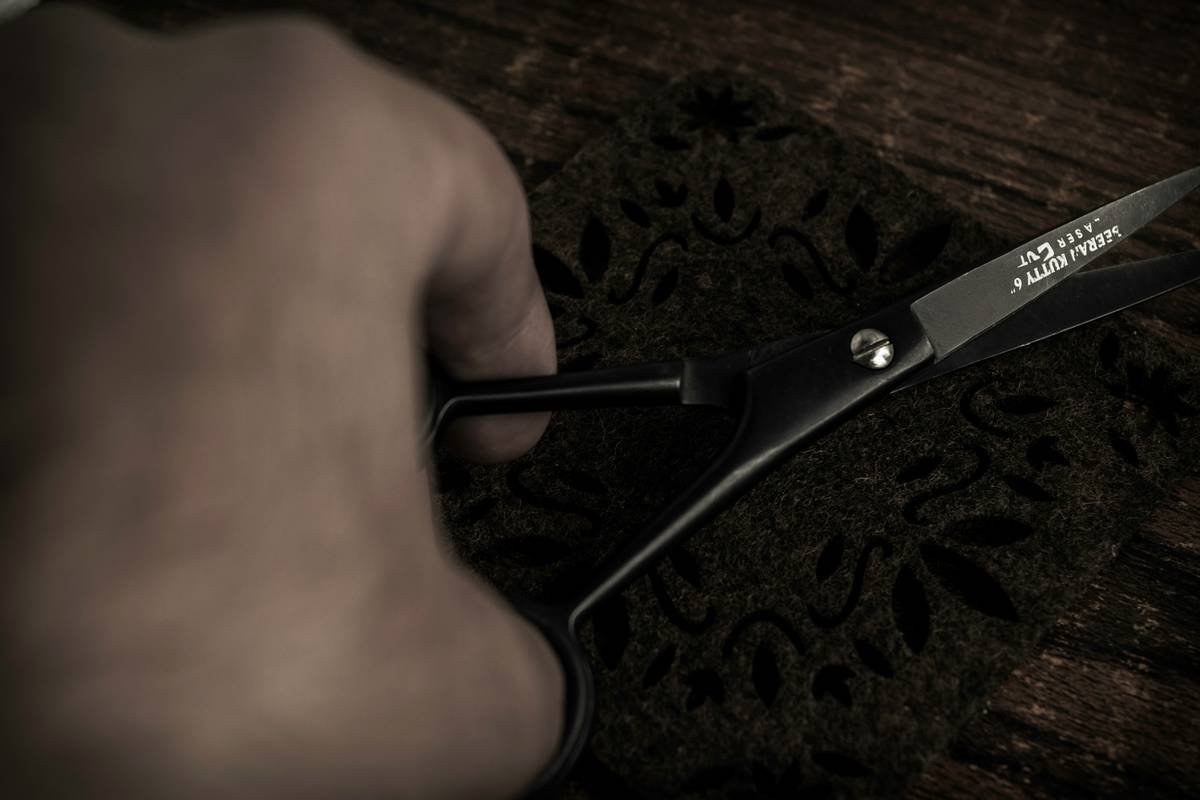
The Industry Secret: Barbers Don’t Rely on Factory Screws
Here’s what no brand will tell you: pro barbers swap out OEM screws within weeks of purchase. Why? Because mass-produced screws prioritize cost over performance. The “adjustment” mechanism only works if the screw maintains consistent torque under shear stress—which cheap alloys fail at after 20 uses. Veteran groomers keep a small kit of M2.0, M2.5, and M3.0 pivot screws in their toolkit. They test tension weekly. And they never reuse a stripped screw—even if it “seems fine.” The math is simple: a $3 screw protects a $75 investment. Skimp here, and you’ll pay in ruined fades and wasted time.
Frequently Asked Questions
Can I use any small screw to replace the pivot?
No. Even slight mismatches in thread pitch or head depth cause misalignment, blade chatter, or permanent hinge damage.
How often should I replace beard scissor screws?
Only when loose tension persists after cleaning and proper tightening. But proactive replacement every 12–18 months prevents sudden failure.
Where can I buy exact replacement screws?
Specialized shear supply sites like ScissorTech or SharpEdgeGrooming sell calibrated pivot screws by model—or universal kits with sizing guides.