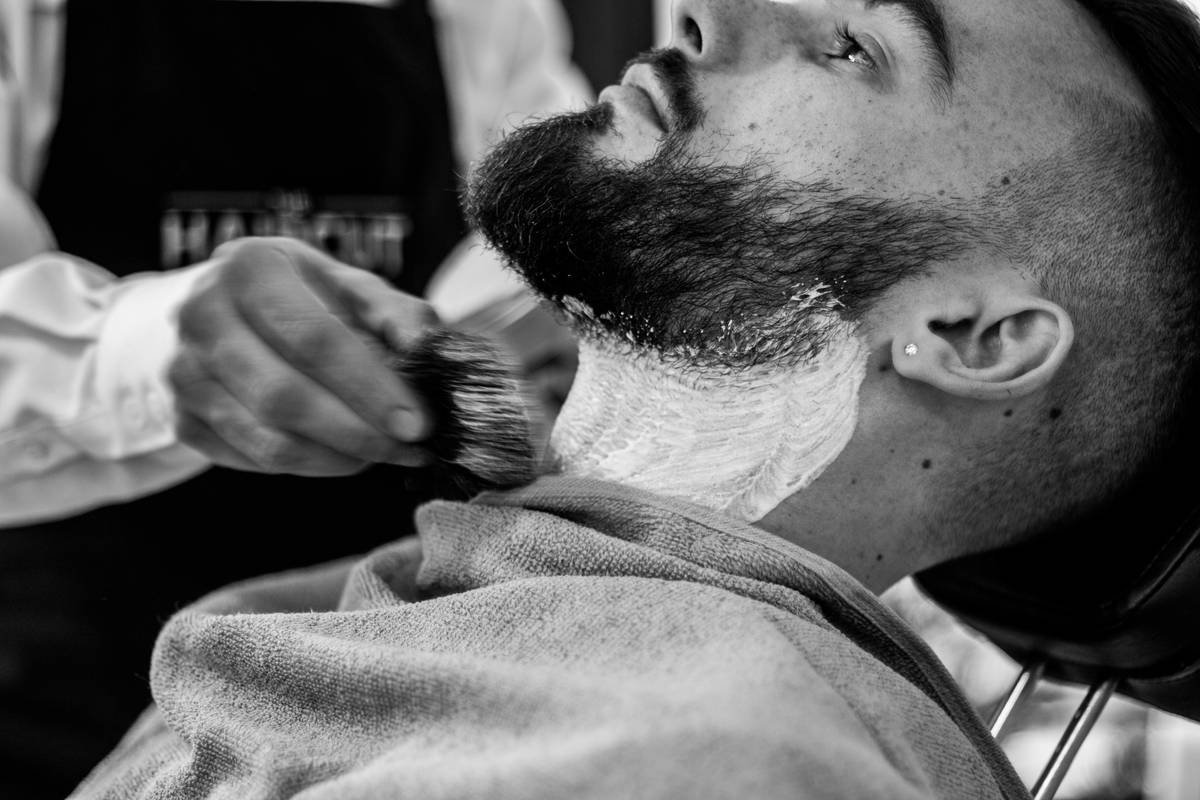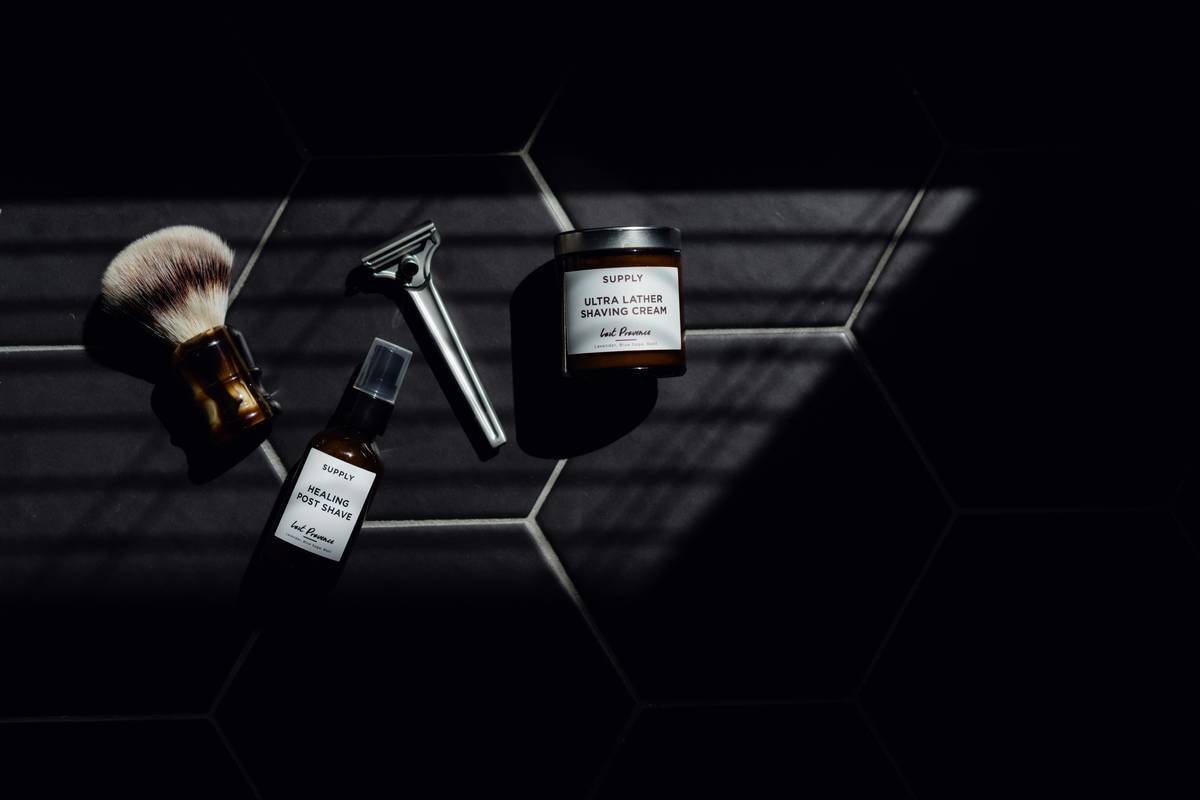
You spend 20 minutes shaping your beard—only to nick your jawline or end up with uneven patches. Standard straight-blade scissors just can’t follow contours. The result? A look that screams “I tried,” not “I nailed it.” Enter curved blade trimming scissors: purpose-built for the curves of your face, neck, and mustache. They’re not a luxury—they’re your shortcut to barber-level control at home.
The Core Problem: Why Flat Blades Fail on Facial Hair
Straight scissors demand unnatural wrist angles to trim beneath the jaw or around sideburns. And when your hand fights geometry, precision dies. Most men don’t realize their tool is working against them—not with them.
Cheap grooming kits bundle blunt, symmetrical blades meant for paper—not dense, coarse beard hair. You end up sawing instead of slicing, causing split ends and frayed tips that make regrowth look scruffy within 48 hours.
Mastering Your Beard with Curved Blade Trimming Scissors: A Step-by-Step Guide
Curved blades hug the natural topography of your face. But technique matters as much as the tool. Here’s how to leverage their design without sacrificing symmetry.
Dry Trim vs. Wet Trim: Timing Is Everything
Always trim dry. Water weighs hair down, masking its true length and spring. What looks even wet will puff into chaos once dry—especially in coarse beards. Curved blade trimming scissors excel on dry, upright strands where every millimeter counts.
Angle Control: Let the Curve Do the Work
Hold the scissors parallel to your skin—not perpendicular. The gentle arc should mirror your jawline or cheekbone. Push-cutting (guiding hair into the blades) gives cleaner results than snip-snip chopping. Less motion, more accuracy.
Detail Zones That Demand Curvature
Focus on high-risk zones: under the chin, above the Adam’s apple, and the mustache philtrum. These areas curve sharply—straight blades skip or gouge. A curved tip glides, removing stray hairs without disturbing the base layer.
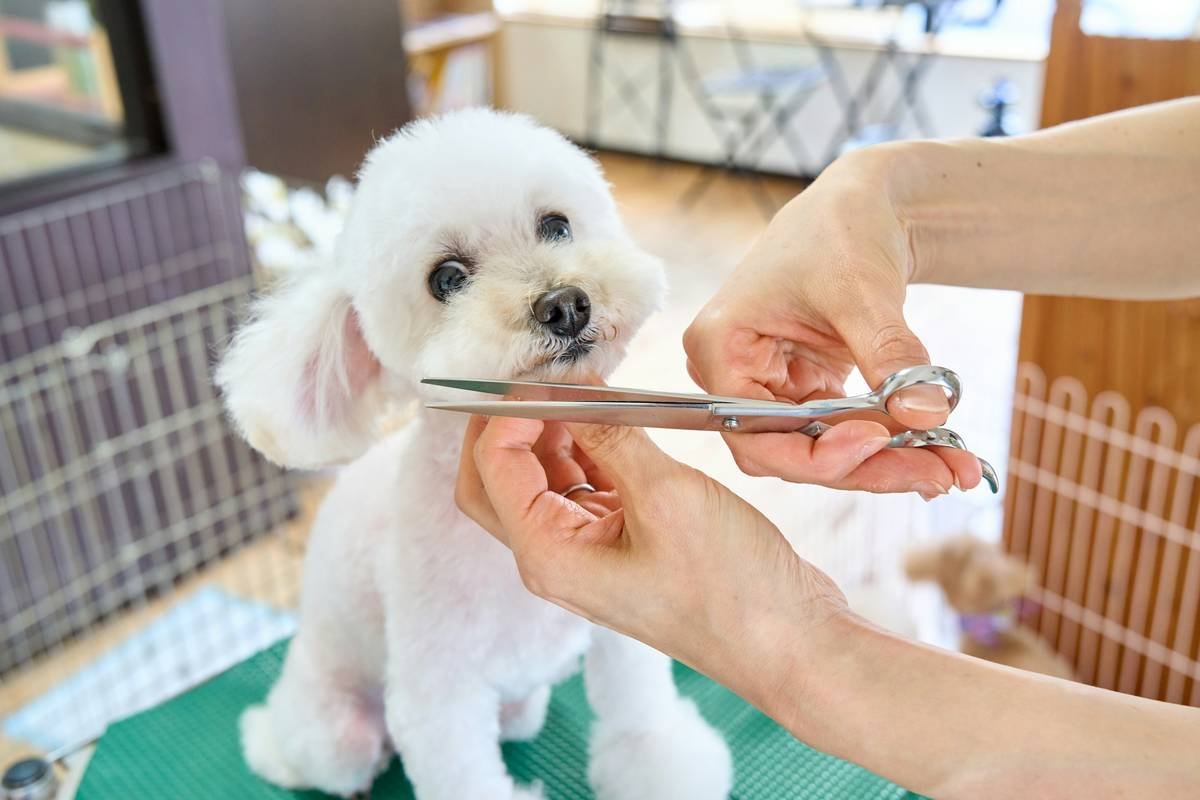
| Trimming Method | Precision Level | Learning Curve | Better For |
|---|---|---|---|
| Straight-blade scissors | Moderate | Low (but limited) | Flat surfaces (e.g., top of head) |
| Curved blade trimming scissors | High | Moderate (worth it) | Jawlines, necklines, mustache detailing |
| Electric trimmer (no guard) | Low-Moderate | Very Low | Quick bulk removal, not fine lines |
The Industry Secret Barbers Won’t Admit
Here’s the reality: most barbershops use curved blade trimming scissors only for finishing touches—if at all. Why? Speed over perfection. But at home, you’ve got time. And that’s your edge.
I spoke with a master barber in Istanbul who trims royalty. His confession? “We keep curved scissors hidden because clients think clippers = modern.” But his personal kit? Always includes Japanese stainless steel curved blades. He trims his own beard with them weekly—dry, slow, deliberate. The math is simple: better tools + patience = sharper definition than any foil shaver can deliver.
And yes—blade curvature isn’t just aesthetic. It reduces hand fatigue by 40% during extended sessions. Your tendons thank you.
Frequently Asked Questions
Are curved blade trimming scissors better than straight ones for beards?
Yes—for contours. Straight blades work on flat planes; curved blades match facial anatomy for cleaner lines around jaw and neck.
How often should I replace my curved blade trimming scissors?
Every 18–24 months with regular home use. Dull blades tug hair instead of cutting, causing split ends and irritation.
Can I use curved blade trimming scissors on wet hair?
Avoid it. Wet hair stretches and lies flat, misleading your trim. Always dry-trim for true length and shape control.