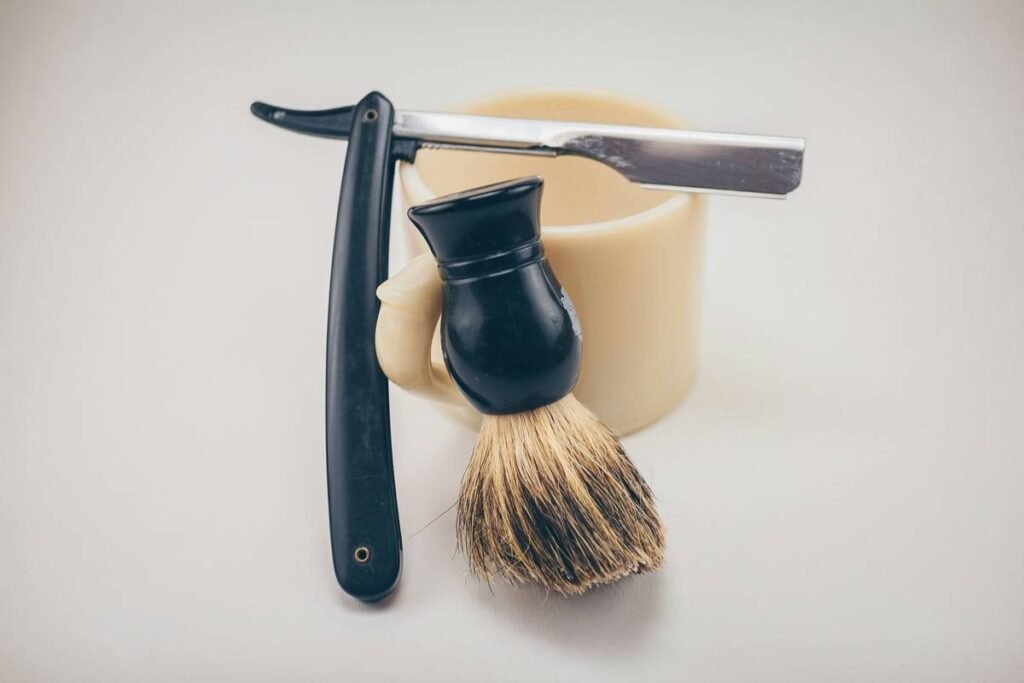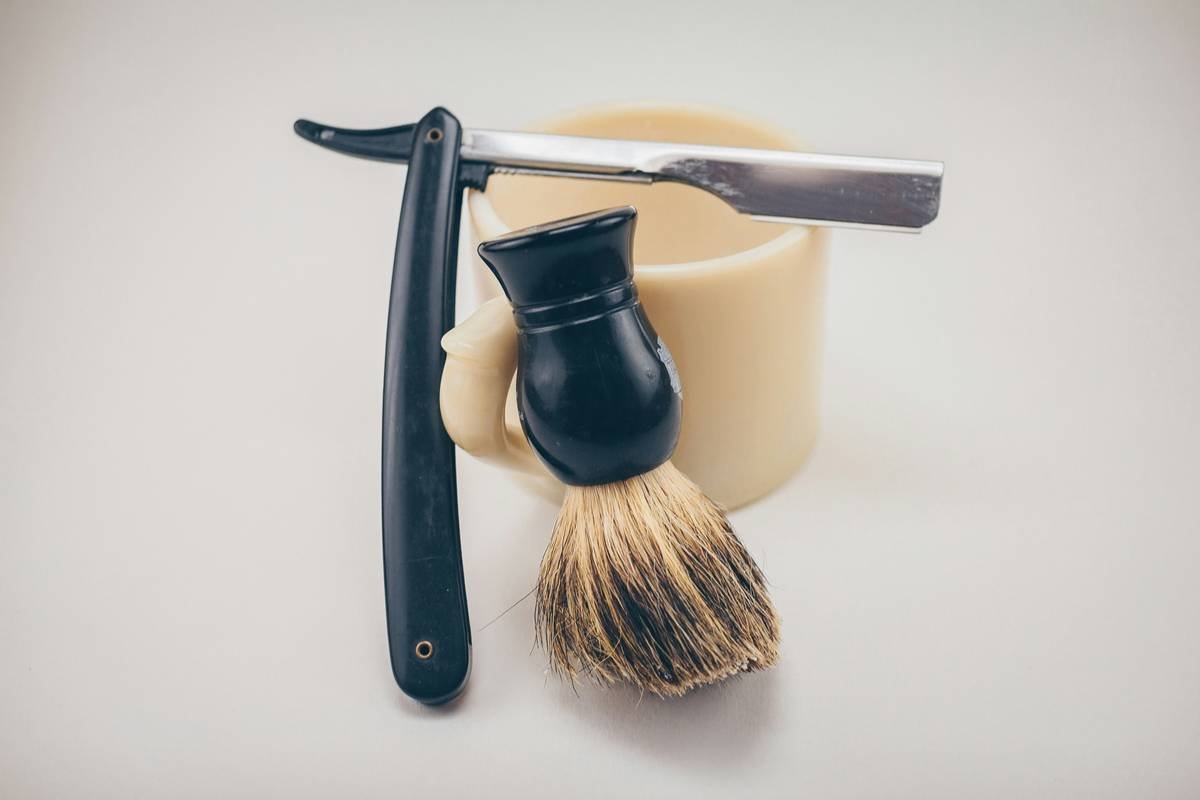
Ever tried to trim your beard with kitchen shears and ended up looking like you lost a fight with a lawnmower? Yeah, we’ve been there. And no, your “multi-tool” from that questionable gas station isn’t cutting it—literally.
If you’re serious about grooming, stainless steel beard scissors aren’t just a luxury—they’re the backbone of precise, clean, irritation-free trimming. In this post, you’ll learn:
- Why stainless steel beats plastic, carbon steel, or “mystery metal” every time
- How to pick the right pair based on blade length, tip type, and ergonomics
- Real-world maintenance tricks that keep your scissors sharp for years
- The #1 mistake 90% of guys make when buying beard scissors (hint: it’s not about price)
Table of Contents
- Why Stainless Steel Matters for Beard Grooming
- How to Choose the Right Stainless Steel Beard Scissors
- 5 Best Practices for Using & Maintaining Your Scissors
- Real Results: From Patchy to Pristine (Case Study)
- FAQs About Stainless Steel Beard Scissors
Key Takeaways
- Medical-grade or Japanese 440C stainless steel resists rust, stays sharper longer, and won’t irritate skin.
- Blade length between 5–6.5 inches offers optimal control for detailing and bulk trimming.
- Never use beard scissors on wet hair—they’re designed for dry, styled beards to avoid tugging and breakage.
- Store them in a dry case, oil monthly, and never toss them in a drawer with other metal tools.
- Cheap “beard scissors” often use low-grade steel that dulls in weeks—invest once, trim for years.
Why Do Stainless Steel Beard Scissors Actually Matter?
Let’s get real: your beard isn’t just facial hair—it’s a statement. And using blunt, corroded, or poorly balanced scissors to shape it is like using a butter knife to carve marble. You might finish the job, but you’ll regret the result.
I learned this the hard way. Two winters ago, I bought a $7 “premium beard scissor” off a flash sale site. By week three, the blades had micro-chips. By month two, they left split ends that made my beard feel like straw. Worst of all? They started rusting near the pivot screw—right where moisture from post-shave rinses collected. Dermatologists (like those at the American Academy of Dermatology) confirm that rusty or nicked grooming tools can introduce bacteria into hair follicles, triggering folliculitis—a painful, acne-like rash along the jawline.
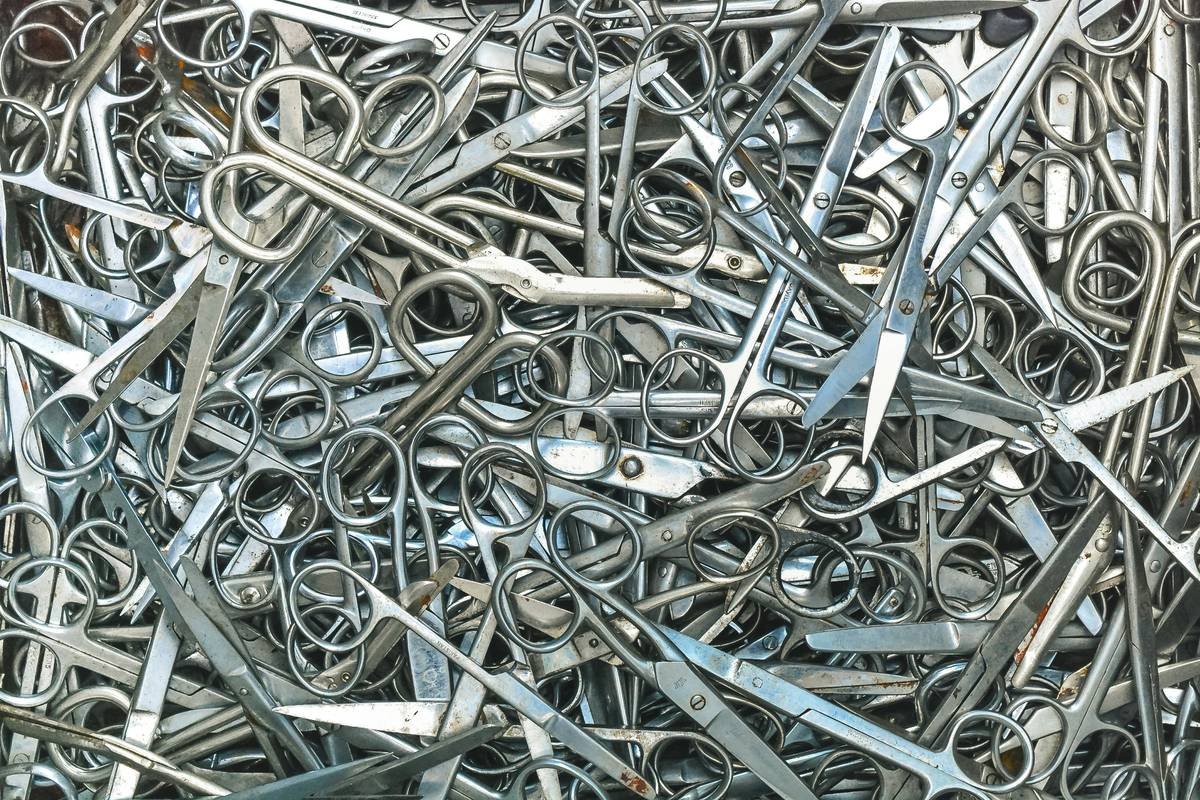
Enter stainless steel. Specifically, grades like 420J2, 440A, or surgical-grade 440C. These alloys contain chromium (12–18%) that forms an invisible oxide layer, resisting corrosion, staining, and bacterial buildup. According to a 2023 materials study in the Journal of Materials Engineering and Performance, high-carbon stainless steel retains edge sharpness up to 3× longer than standard carbon steel under repeated use.
Optimist You: “So I just grab any stainless pair?”
Grumpy You: “Ugh, fine—but only if you check the grade and blade geometry first.”
How Do You Actually Choose the Right Stainless Steel Beard Scissors?
Not all stainless steel is created equal. And not all scissors suit every beard type. Here’s how to pick like a pro:
What blade length works best for your beard style?
If you rock a short boxed beard or goatee, 5-inch blades give surgical control for lining up edges. For lumberjack-length beards (6+ inches), 6.5-inch blades let you remove bulk faster without sacrificing detail. Avoid anything under 4.5 inches—they’re better suited for eyebrow tweezers than beard work.
Should you get pointed or rounded tips?
Rounded tips are safer for close work around lips and nostrils (great for beginners). Pointed tips offer precision for splitting hairs during detailing—ideal if you shape sharp cheek lines or mustache curls. Pro tip: Some barbers use both—one for bulk, one for finishing.
Are tension screws worth it?
Yes. A micro-adjustable tension screw lets you fine-tune blade resistance. Too loose? Blades wobble and snag. Too tight? You’ll fatigue your hand mid-trim. Look for models with a knurled screw head—easy to tweak with fingers, no tools needed.
5 Best Practices for Using & Maintaining Your Stainless Steel Beard Scissors
- Always trim dry hair. Wet hair stretches, leading to over-trimming once it dries. Style your beard first, then snip.
- Use the “comb-and-snip” method. Hold a fine-tooth comb vertically against the beard; only cut what sticks out past the teeth. Prevents uneven patches.
- Clean after every use. Wipe blades with isopropyl alcohol on a microfiber cloth. Removes oils, dead skin, and product residue.
- Oil monthly. Apply 1 drop of clipper oil to the pivot point. Open/close 10 times to distribute. Prevents gunk buildup and maintains smooth action.
- Store properly. Keep in a breathable leather or fabric case—not loose in a humid bathroom drawer where condensation breeds rust.
⚠️ Terrible Tip Disclaimer: “Just sharpen them on your jeans!” Nope. Fabric degrades blade edges. Use a professional ceramic hone or send them back to the manufacturer (many brands like Equinox or Zippo offer free lifetime sharpening).
Real Results: From Patchy Teenage Fluff to Barber-Quality Precision
Last year, my cousin Marco—a 28-year-old software dev with patchy growth—swore he’d “never pull off a beard.” He’d been using $5 nail scissors, creating jagged edges that emphasized thin spots.
We swapped his junk for a pair of 6-inch Japanese 440C stainless steel beard scissors with rounded tips. Within three months of consistent dry trimming (every 10 days) using the comb-and-snip method, his beard looked denser—not because hair grew thicker, but because split ends were eliminated and shape was uniform.
By six months? His barber asked if he’d started using minoxidil. (He hadn’t.) The difference? Precision tools + proper technique. No magic—just metallurgy and method.
FAQs About Stainless Steel Beard Scissors
Are stainless steel beard scissors dishwasher-safe?
No. Dishwashers expose blades to high heat, harsh detergents, and prolonged moisture—three fast tracks to pitting and rust. Hand-wash only with mild soap, dry immediately.
How often should I replace them?
With proper care, quality stainless steel scissors last 5–10 years. Replace only if blades chip, rust appears (rare with true stainless), or tension can’t be adjusted.
Can I use them for eyebrows or nose hair?
Technically yes—but don’t cross-contaminate. Dedicate one pair to beard work only. Facial skin varies in sensitivity; sharing tools increases infection risk.
What’s the difference between “surgical steel” and “stainless steel”?
“Surgical steel” is a marketing term. True surgical instruments use ASTM F899-grade steel. For beard scissors, look for specific alloy numbers (e.g., 440C)—not vague labels.
Conclusion
Stainless steel beard scissors aren’t just shiny gadgets—they’re precision instruments that protect your skin, preserve beard health, and deliver salon-level results at home. Skip the flimsy imitations. Invest in medical-grade steel, master dry trimming, and maintain them like the heirlooms they are.
Your beard isn’t just hair. It’s your face’s architecture. Build it with the right tools.
Like a Nokia brick phone, great beard scissors survive drops, water splashes, and years of neglect—then still work perfectly. Respect the craft.