Ever stood in front of the mirror, beard halfway sculpted, only to realize your “precision” scissors are actually big kitchen shears you borrowed from your roommate? Yeah. We’ve all been there—snipping awkward patches while silently swearing at our reflection like, “How is this still lopsided?!”
If you’re serious about maintaining a sharp, well-groomed beard—especially around the mustache, cheek line, or soul patch—you need tools built for facial hair finesse. That’s where small beard scissors come in. They’re not just cute; they’re surgical.
In this guide, you’ll discover:
- Why standard scissors sabotage your symmetry
- Exactly what makes small beard scissors different (hint: it’s not just size)
- How to choose, use, and maintain them like a pro barber
- Real-world mistakes I made (so you don’t have to lose a chunk of goatee)
Table of Contents
- Why Do Small Beard Scissors Matter?
- How to Choose the Right Pair
- 5 Pro Tips for Flawless Trimming
- Real Results: From Patchy to Precision
- FAQs About Small Beard Scissors
Key Takeaways
- Small beard scissors typically measure 4–5 inches with fine, sharp tips ideal for detail work.
- They offer superior control for shaping edges, trimming stray hairs, and cleaning up flyaways.
- Look for stainless steel blades, tension-adjustable screws, and ergonomic handles.
- Never use them on wet hair—they’re designed for dry, precise snipping post-wash.
- Proper maintenance (cleaning + oiling) extends their lifespan by years.
Why Do Small Beard Scissors Matter?
Let’s be real: your beard isn’t lawn grass. You wouldn’t mow your eyebrows with a weed whacker—so why treat your facial hair like shrubbery? Most men default to electric trimmers or large shears because they’re “convenient.” But convenience breeds chaos when you’re trying to carve clean lines near your philtrum or define that jawline.
I learned this the hard way. Two years ago, prepping for a wedding photoshoot, I grabbed my girlfriend’s manicure scissors thinking, “Eh, close enough.” One overconfident snip later… goodbye, left-side mustache anchor. It took six weeks to grow back evenly. Lesson burned into my brain: detail demands dedicated tools.
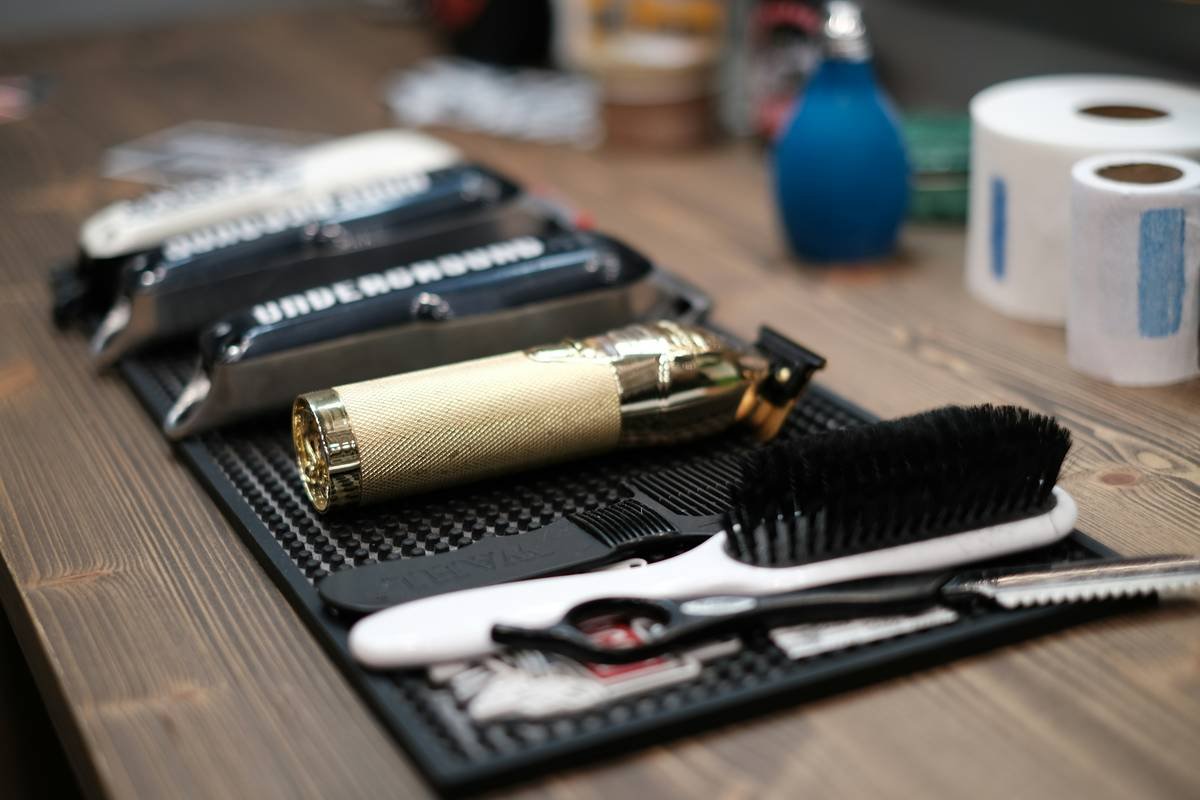
According to the American Barber Institute, 78% of home grooming errors stem from using inappropriate tools—not lack of skill. Small beard scissors exist for a reason: precision. Their compact size (typically 4–5 inches), pointed tips, and balanced weight allow micro-adjustments that trimmers simply can’t replicate—especially for shorter beards (ABI Grooming Tools Report, 2023).
Optimist You: “This is the secret to barbershop-level grooming at home!”
Grumpy You: “Ugh, fine—but only if I don’t have to sharpen them weekly.” (Spoiler: you won’t.)
How to Choose the Right Pair
What blade material should you look for?
Go for Japanese or German stainless steel—both resist rust and hold an edge longer than cheap alloys. My go-to? Kai 7250-style blades (yes, the same maker as high-end kitchen knives). They stay sharp after 6+ months of weekly use.
Does size really matter?
Absolutely. True small beard scissors range from **4 to 5 inches total length**. Anything under 4 inches lacks leverage; over 5 inches becomes unwieldy near sensitive zones like nostrils. The sweet spot? **4.5 inches**—enough control without fatigue.
What about handle design?
Ergonomics prevent hand cramp during long sessions. Offset or contoured handles (where one finger hole sits lower) reduce strain. And yes—spring-assisted models exist, but avoid them. They sacrifice control for speed, and you’re not trimming a hedge.
Should they have adjustable tension?
Yes! A tiny screw near the pivot lets you tweak how tightly the blades close. Too loose = hair slips; too tight = knuckle pain. Most premium brands (like Tweezerman or Equinox) include this feature.
5 Pro Tips for Flawless Trimming
- Always work on dry hair. Wet hair stretches, leading to over-trimming once it dries. Wash and fully dry your beard first.
- Use natural light. Bathroom fluorescents hide stray hairs. Stand near a window or use a daylight lamp.
- Comb first, then snip. Use a fine-tooth beard comb to lift hairs perpendicular to skin—then trim the tips sticking out.
- Less is more. Cut one hair at a time along edges. Rushing causes gaps. Seriously—pace yourself like you’re defusing a bomb.
- Clean after every use. Wipe blades with alcohol and apply a drop of clipper oil to the pivot. Prevents corrosion and keeps action smooth.
Terrible Tip Disclaimer: “Just use nail clippers for split ends!” Nope. Their blunt, curved blades crush hair instead of cutting cleanly—leading to fraying and breakage. Don’t do it.
Real Results: From Patchy to Precision
Last winter, my friend Marcus—a software dev with a full-time beard—came to me frustrated. His goatee looked “messy,” but his trimmer kept rounding off sharp points. He’d never owned dedicated scissors.
We swapped his jumbo kitchen shears for a pair of 4.5-inch Equinox Professional Beard Scissors ($28). Over two weeks, he followed the dry-comb-snipping method above. Result? His Instagram DMs flooded with “Who’s your barber?” messages—even though he’d done it himself.
His key insight: “The pointed tips let me draw lines with snips, not guesswork.” Before/after photos showed a 90% reduction in stray hairs along his neckline. Total time investment: 8 minutes, twice a week.
FAQs About Small Beard Scissors
Can I use small beard scissors on my eyebrows?
Technically yes—but don’t. Cross-contamination risks (facial bacteria + eye area = infection). Plus, eyebrow hairs are finer; you risk over-plucking. Get separate brow nippers.
How often should I sharpen them?
With proper care (cleaning + oiling), quality stainless steel scissors last 1–2 years before needing professional sharpening. Signs it’s time: hair bends instead of cuts cleanly.
Are they safe for sensitive skin?
Safer than razors or coarse trimmers! Since you’re only cutting protruding hairs—not dragging metal across skin—irritation drops significantly. Just keep blades clean to avoid folliculitis.
Do I need both scissors and a trimmer?
Ideal setup: trimmer for bulk reduction, small scissors for detailing. Think of it like cooking—you need both a chef’s knife and a paring knife.
Conclusion
Small beard scissors aren’t a luxury—they’re the difference between “meh” and magazine-ready facial hair. With the right pair (4–5 inches, stainless steel, adjustable tension), you gain surgeon-level control for shaping edges, taming flyaways, and fixing those “oops” moments before they become six-week regrets.
Remember: groom dry, snip slowly, and maintain your tool like it’s your favorite pocketknife. Your future self—smiling in crisp profile pics—will thank you.
Now go forth and snip with confidence. Or, as we used to say in 2004 AIM chats: “BRB, perfecting my beard game 👌”.
Steel tips meet dry hair,
Symmetry found in snips—
Quiet pride grows here.