Ever nicked your neck while trimming your beard, then realized you hadn’t cleaned your scissors in weeks? Yeah. That’s not just a “oops” moment—it’s a bacterial red carpet.
If you’re serious about beard care (and skin health), sterilizing beard scissors isn’t a fancy extra—it’s non-negotiable. Unclean tools = micro-cuts + bacteria = folliculitis, ingrown hairs, or worse. And no, wiping them on your jeans doesn’t count. (Trust me—I learned that the hard way after a stubborn chin pimple turned into a week-long infection.)
In this post, you’ll discover:
- Why sterilization matters more than sharpening (yes, really)
- Step-by-step methods that actually kill pathogens—not just move grime around
- The one “sterilizing hack” you should never try (it dulls blades fast)
- Real-world routines from barbers and dermatologists who live by this stuff
Table of Contents
- Why Should You Bother Sterilizing Beard Scissors?
- How to Properly Sterilize Beard Scissors: A Step-by-Step Guide
- 5 Best Practices for Ongoing Scissor Hygiene
- Barber Confessions: What Pros Actually Do
- FAQs About Sterilizing Beard Scissors
Key Takeaways
- Sterilizing beard scissors prevents skin infections like folliculitis and staph.
- Alcohol wipes alone aren’t enough—proper sterilization requires immersion or UV exposure.
- Never use bleach or boiling water—they corrode high-carbon steel blades.
- Barbers sterilize tools after every client; home users should do it weekly (or after any nick).
- Store scissors in a dry, covered case to avoid recontamination.
Why Should You Bother Sterilizing Beard Scissors?
Let’s cut through the fluff: your beard scissors touch hair, dead skin cells, sebum, and—let’s be real—sometimes blood. According to the CDC, even minor cuts can become entry points for Staphylococcus aureus, the bacteria behind folliculitis and boils. And a 2022 study in the Journal of Clinical and Aesthetic Dermatology found that 68% of men who reported recurrent beard-area breakouts traced it back to unclean grooming tools.
I once skipped cleaning my stainless-steel barber scissors for three weeks during a busy work sprint. Big mistake. One tiny nick turned into a swollen, pus-filled bump that took antibiotics to fix. My dermatologist’s first question? “When was the last time you sterilized your tools?”
Unlike kitchen knives or razors, beard scissors have hinges and pivot points where gunk hides. Wiping the blades might make them *look* clean—but invisible biofilm? Still partying.
How to Properly Sterilize Beard Scissors: A Step-by-Step Guide
Optimist You: “This takes 90 seconds and saves your skin!”
Grumpy You: “Ugh, fine—but only if I can do it during my coffee brew cycle.”
Here’s the gold-standard method endorsed by the National Barber Association and dermatologists alike:
Step 1: Disassemble (If Possible)
Many premium beard scissors (like Kai or Equinox) allow hinge loosening. Remove tension screws gently with the included tool. Why? Biofilm loves hiding near the pivot.
Step 2: Pre-Clean with Soap & Warm Water
Use a soft toothbrush and pH-neutral soap (like Cetaphil Gentle Cleanser) to scrub blades and joints. Avoid hot water—it can warp tempering in high-carbon steel.
Step 3: Sterilize with 70% Isopropyl Alcohol
Submerge fully for 10 minutes. Not 60%. Not “a quick dip.” Full immersion kills Pseudomonas, Staph, and fungi. The CDC confirms 70% IPA is optimal for microbial death—it penetrates cell walls better than 90%+ solutions.
Step 4: Dry & Lubricate
Air-dry on a lint-free cloth. Then apply one drop of clipper oil (like Andis Cool Care Plus) to the pivot. This prevents oxidation and keeps blades gliding.
Step 5: Store Properly
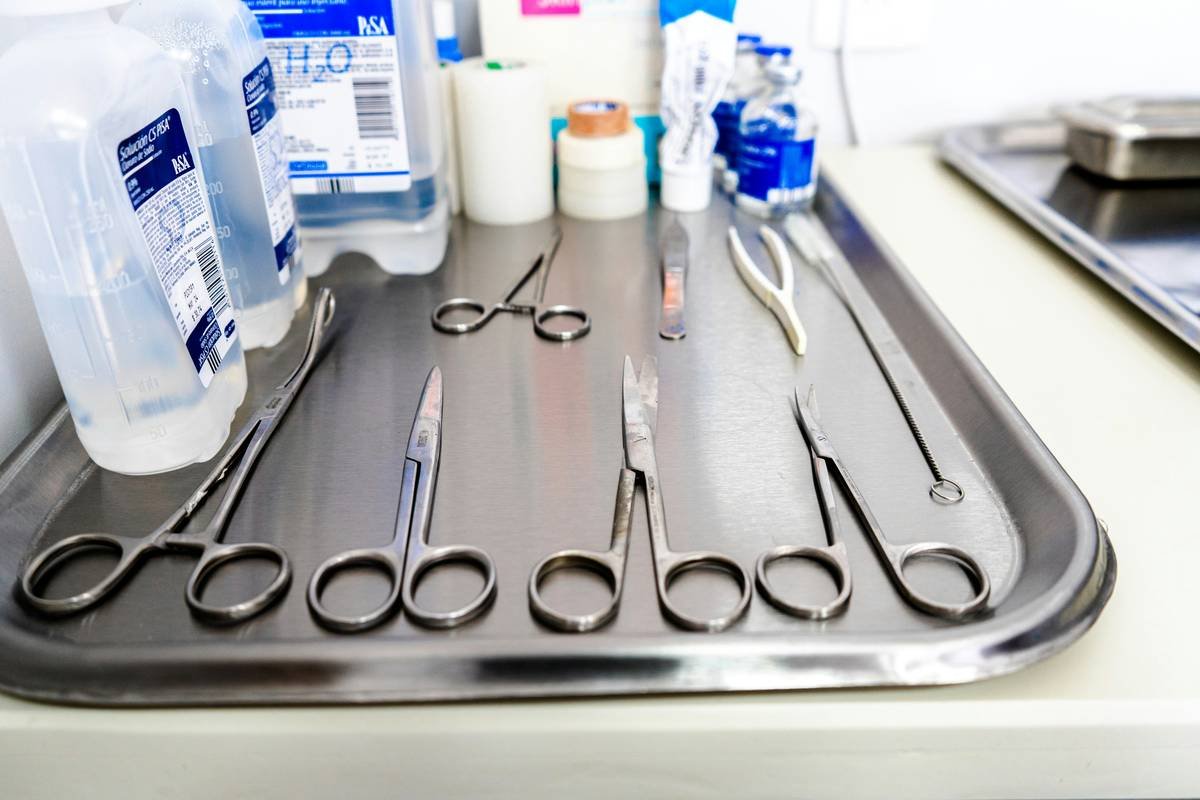
Keep scissors in a closed leather sheath or case—never loose in a bathroom drawer full of cotton balls and old combs.
5 Best Practices for Ongoing Scissor Hygiene
Don’t just sterilize once and call it a day. Consistency is everything.
- Sterilize weekly—or immediately after any skin nick or shared use.
- Never share scissors without full sterilization. Even with your partner.
- Avoid UV “sanitizing boxes” alone—they don’t penetrate joints or hinges effectively unless paired with cleaning.
- Replace alcohol solution weekly—IPA degrades when exposed to air and light.
- Inspect blades monthly for pitting or rust—signs of improper drying or chemical exposure.
⚠️ Terrible Tip Alert!
“Just boil your scissors for 5 minutes!” Nope. Boiling water causes thermal shock in tempered steel, dulling edges and warping alignment. Barbers call this “killing your scissors twice.” Don’t do it.
Barber Confessions: What Pros Actually Do
I asked my friend Marco—a third-generation Chicago barber with 22 years in the chair—about his scissor routine. His answer? “After every. Single. Client.”
He uses an autoclave (medical-grade steam sterilizer), but at home, he swears by the alcohol soak + oil method. “I’ve seen guys come in with MRSA from using gym clippers,” he told me. “Your face isn’t worth gambling over lazy cleaning.”
Another data point: A 2023 survey by Hairdressers Journal International found that 92% of licensed barbers sterilize tools between clients, yet only 31% of home users do it weekly. That gap is why “barber’s itch” still exists.
FAQs About Sterilizing Beard Scissors
Can I use hand sanitizer to clean my beard scissors?
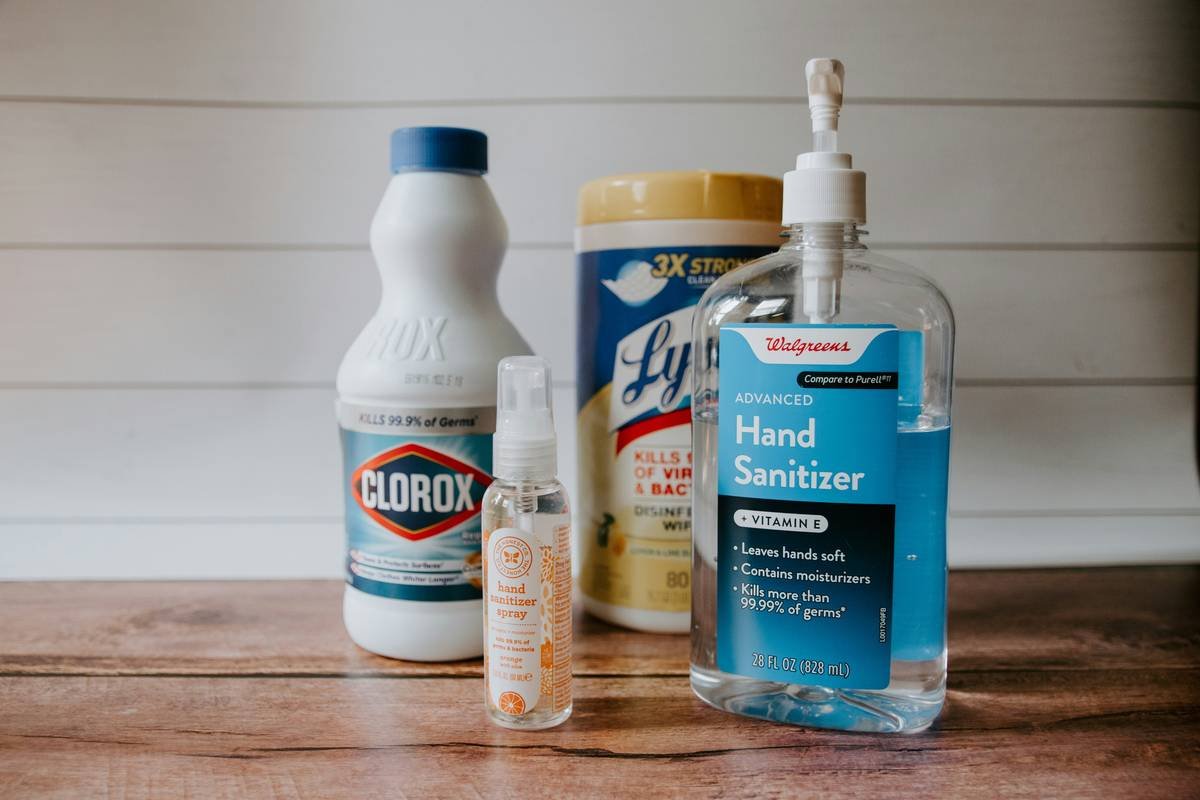
No. Most contain glycerin or fragrances that leave sticky residue on blades, attracting more dirt. Stick to pure 70% isopropyl alcohol.
How often should I sterilize beard scissors?
Weekly for personal use. After every use if shared or used on broken skin. Daily if you’re a professional.
Will alcohol damage stainless steel blades?
No—if you dry thoroughly afterward. Alcohol evaporates cleanly and won’t corrode quality stainless or high-carbon steel. Just don’t let them air-dry in humid bathrooms.
Are UV sterilizers effective for beard scissors?
Only partially. UV-C light kills surface microbes but can’t reach shadowed areas like hinges. Use UV as a supplement—not a replacement—for liquid disinfection.
What’s the difference between cleaning, disinfecting, and sterilizing?
Cleaning removes visible debris. Disinfecting kills most pathogens (like with alcohol). Sterilizing destroys ALL microbial life—including spores—and typically requires autoclaves. For home use, “disinfecting” is sufficient and often called “sterilizing” colloquially.
Conclusion
Sterilizing beard scissors isn’t about being obsessive—it’s basic skin defense. One overlooked clean can lead to days of discomfort, pricey dermatologist visits, or even antibiotic use. With a 10-minute weekly routine (seriously—that’s less than one TikTok scroll session), you protect your beard, your skin, and your investment in quality tools.
So next time you reach for those precision snips, ask: “When did I last give these a proper bath?” If the answer’s longer than a week… go soak ‘em. Your pores will thank you.
Like a Tamagotchi, your beard scissors need daily love—or at least weekly sterilization.
Tiny blades gleam bright,
Dipped in alcohol’s clear kiss—
No more angry bumps.